
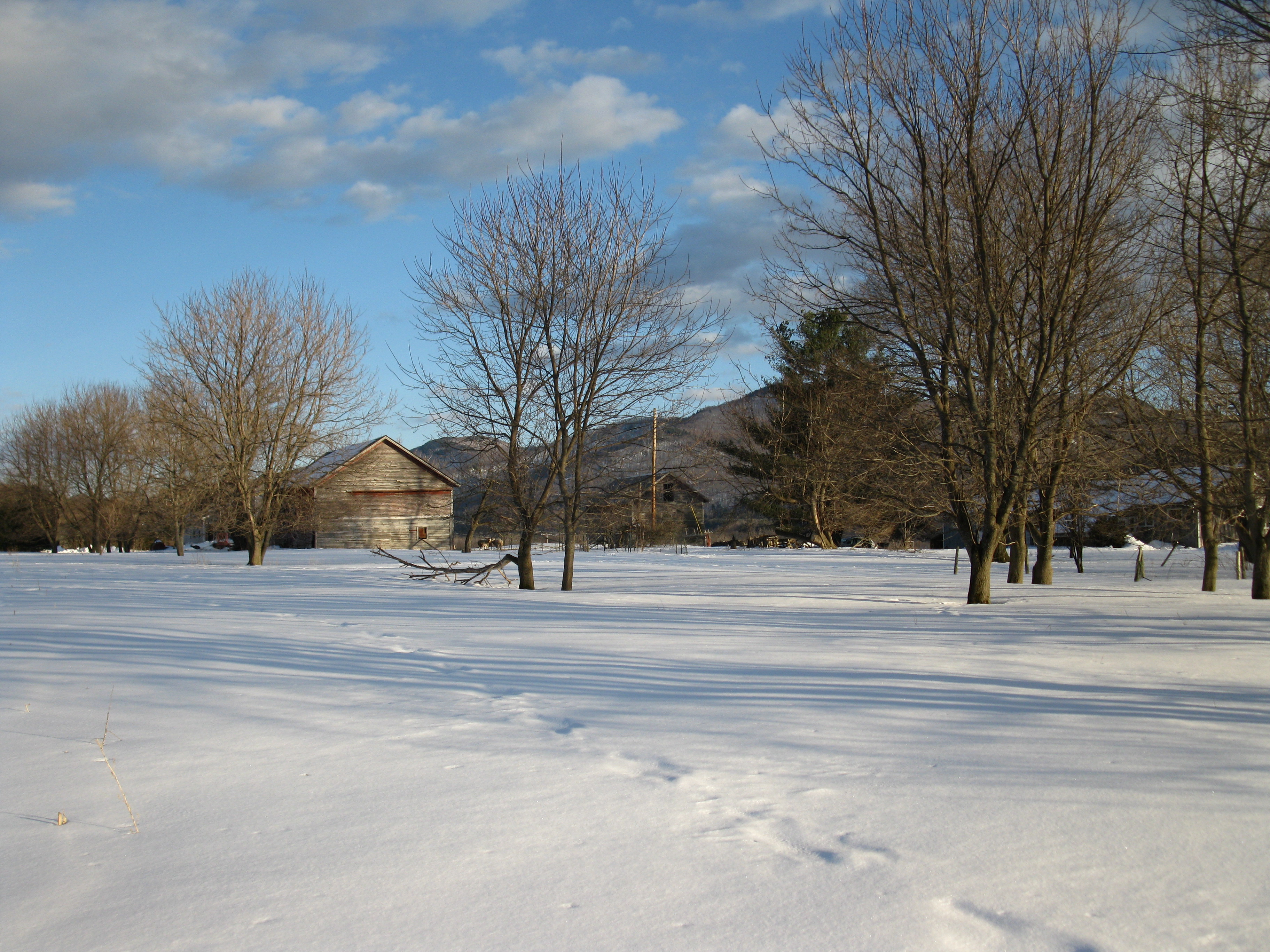
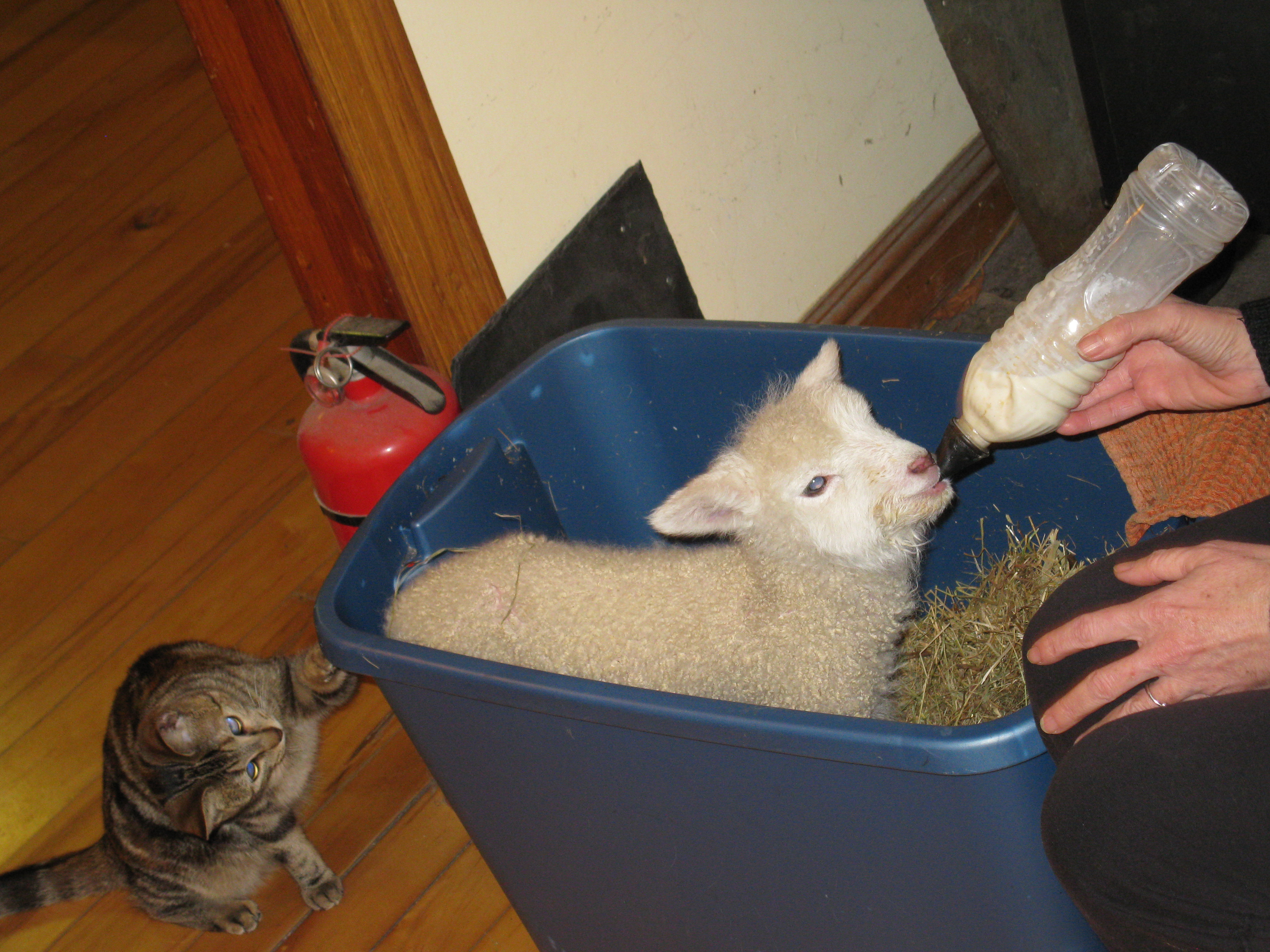
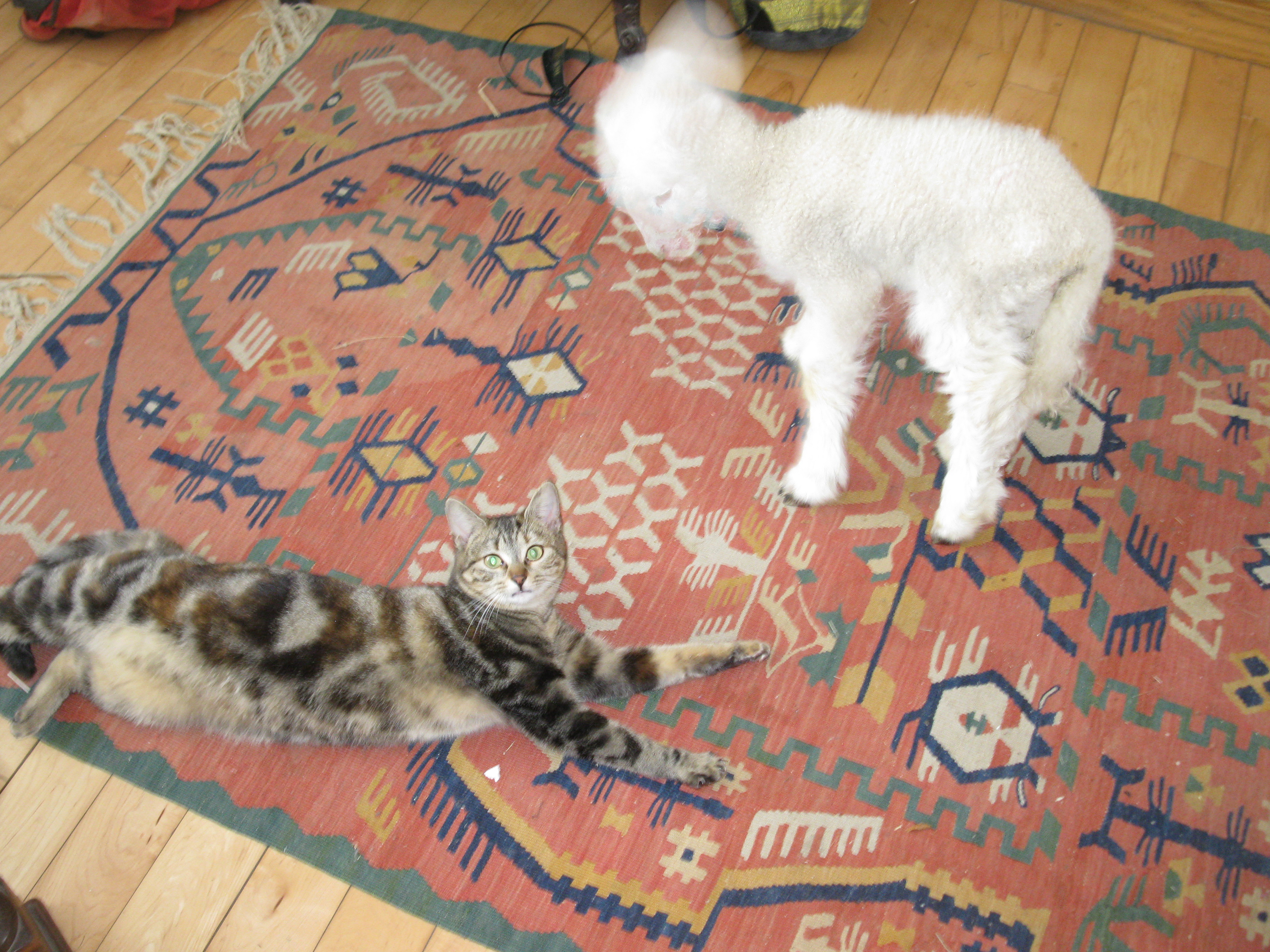
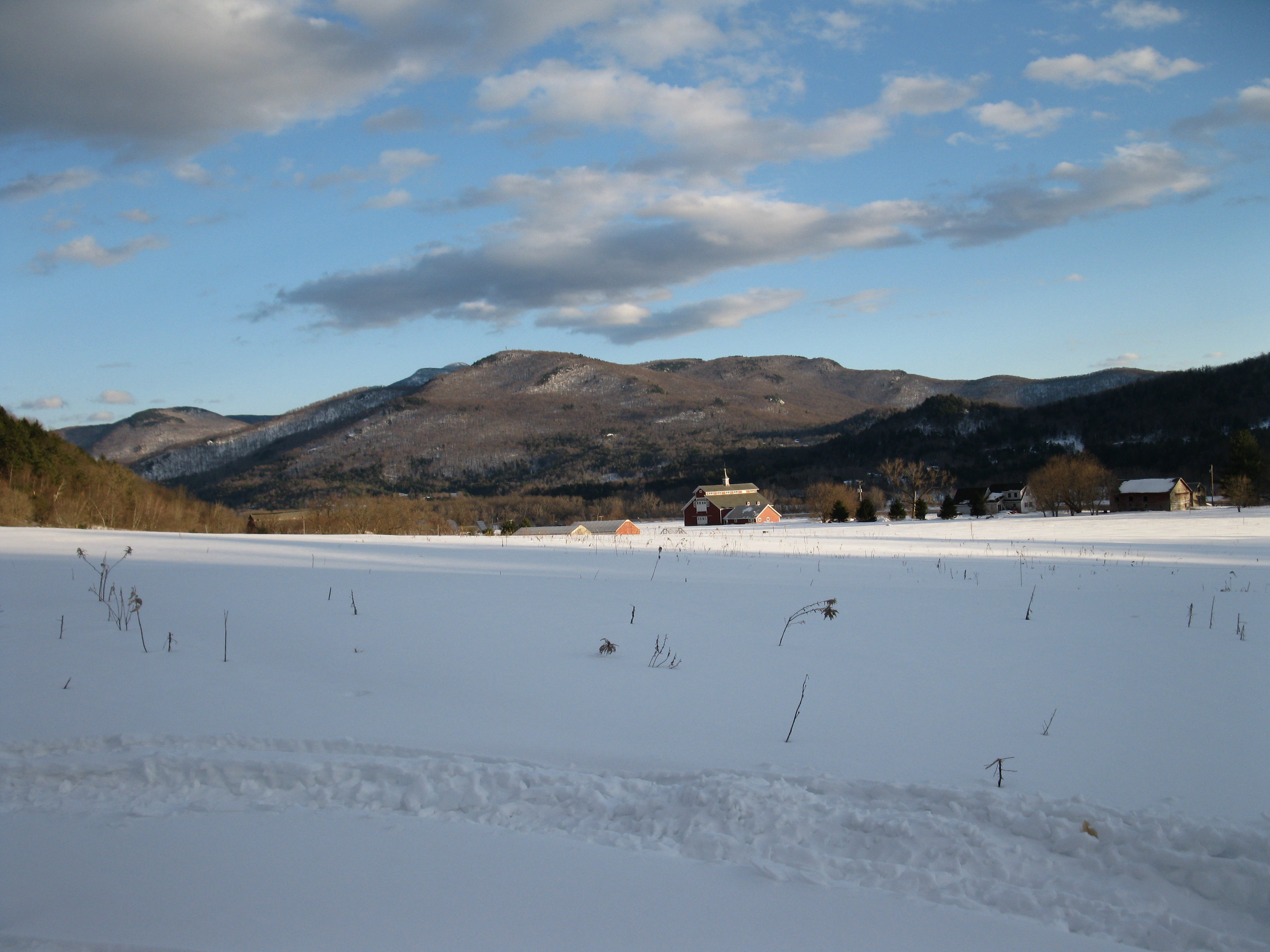
Last year we vowed we would not do this again. No more lambs in dead of winter. Lambing season is traditionally in spring, mostly because it is easier on the farmers. Rams are kept apart from ewes to delay rutting; some farmers don’t keep a ram at all but borrow one once a year for “service,” to use the ewephemism of the trade.* Last winter we gave away our ram and neutered all the ram lambs. Or so we thought.
The first lambs arrived on February 5: twin white ewe lambs. When I discovered them, one ewe, Ewelysses, was cleaning them and acting like they were her own, but it was another ewe who had the telltale afterbirth hanging down between her hindlegs. Ewelysses showed no sign whatsoever of having just delivered. Meanwhile, the other ewe, Eweripedes, stood back and stared at them in wide-eyed disbelief. I recalled that Ewelysses had done this before – an over- eager mother appropriating another ewe’s lamb – but that time she quickly went into labor and thus had a lamb of her own to care for. Ewelysses could clean up those lambs, and call- and- respond in loving devotion, but she had no milk to feed them. Somehow I would have to separate her from those lambs so that their true mom could nurse them, and soon. **
Continue reading in Lambs in Winter: Sketches of a Vermont Life through Seasons of Change (University of Massachusetts Press 2025).
*Sorry, but I couldn’t resist that.
** I am grateful to our friend John Dodson who came to our aid at that moment (when Art was not around).

 Ewetopia Farm
What a beautiful post. Really gorgeous! And the photos are too much cuteness.
Thank ewe!
Gorgeous piece, Alexis, with stunning imagery. And I love your use of Ewephemism – perfect! Thanks for sharing.